Well water can vary from one property to another, and problems such as staining, sediment, odors, or changes in taste may have different causes. For homeowners considering well water treatment in Jacksonville, testing the water first can help identify issues such as iron, manganese, bacteria, or other contaminants before choosing treatment equipment. In this blog, Rainsoft A & B Marketing explains why testing should come first and how treatment options depend on the water source and what the test identifies.
Common Well Water Problems in Florida
Well water is vulnerable to various contaminants due to its interaction with the surrounding environment. Here are some of the most common issues faced by well water users in Florida:
1. Iron and Manganese
Iron and manganese are naturally occurring minerals found in groundwater. While they are not harmful to health, they can cause noticeable staining and taste issues:
- Staining: These minerals can leave reddish-brown or black stains on plumbing fixtures, laundry, and even dishes.
- Metallic Taste: High concentrations can impart a metallic taste to the water, making it unpleasant to drink.
Addressing iron and manganese requires a treatment matched to the water conditions, such as an oxidizing filter or a water softener designed to handle these specific contaminants.
2. Sediment
Sediment in well water is typically composed of sand, silt, and clay. It can cause:
- Clogged Pipes and Appliances: Sediment can accumulate in plumbing systems and appliances, reducing efficiency and lifespan.
- Cloudy Water: The presence of sediment makes water appear murky and unappealing.
Installing a sediment filter as part of a comprehensive well water treatment in Jacksonville can effectively remove these particles, ensuring clear water and protecting your plumbing infrastructure.
3. Bacteria
Bacterial contamination is a serious concern for well water users. Harmful bacteria, such as E. coli and coliform, can enter the water supply from various sources, including septic systems and agricultural runoff. Symptoms of bacterial contamination include:
- Health Risks: Consuming contaminated water can lead to gastrointestinal illnesses and other health issues.
- Odors: Certain bacteria can cause unpleasant odors in water.
To address bacterial contamination, it’s important to conduct a free water test. Once identified, a UV disinfection system or chlorination can be used to eliminate harmful bacteria effectively.
4. Odors and Unpleasant Taste
Well water can sometimes have a distinct odor or taste, often resembling rotten eggs (caused by hydrogen sulfide gas) or a musty smell. These issues are typically caused by:
- Organic Material: Decomposing organic matter in the water source.
- Chemical Reactions: Certain chemical reactions in the water supply.
An activated carbon filter or an aeration system can help remove these odors and improve the overall taste of your water.
The Importance of Water Testing
Before selecting a well water treatment system, it’s important to identify the specific contaminants present in your water. A comprehensive water test will provide valuable insights into the quality of your water and help determine the suitable treatment options. Testing should be conducted regularly to monitor changes in water quality and ensure the ongoing effectiveness of your filtration system.
Why Testing Comes First
Testing is the first step in addressing well water problems because:
- Identifying Contaminants: It helps identify the specific contaminants affecting your water supply.
- Tailored Solutions: It allows for the selection of a treatment system that is specifically designed to address the identified issues.
- Cost-Effectiveness: By knowing what you’re dealing with, you can avoid spending money on unnecessary or ineffective treatment methods.
Choosing the Right Well Water Filtration System
Once you have a clear understanding of the contaminants in your well water, you can select a suitable filtration system. The choice of system will depend on the type and concentration of contaminants present, as well as personal preferences regarding taste and odor.
Types of Well Water Treatment Systems
There are several types of well water filtration systems available, each designed to address different issues:
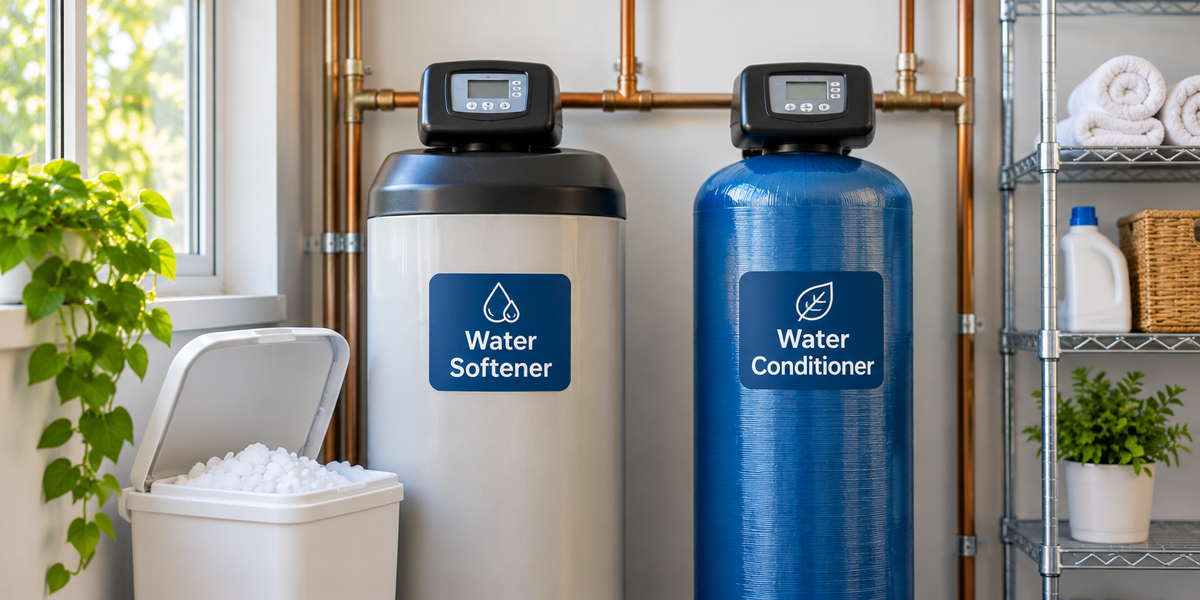
- Water Softeners: Ideal for removing hardness minerals like calcium and magnesium, as well as iron and manganese.
- Reverse Osmosis Systems: Effective for removing a wide range of contaminants, including dissolved solids and certain bacteria.
- UV Disinfection Systems: Specifically designed to eliminate bacteria and viruses without the use of chemicals.
- Oxidizing Filters: Used for removing iron, manganese, and hydrogen sulfide.
Rainsoft A & B Marketing can help review the water test results and discuss treatment options based on the issues identified.
Ensuring Safe and Clean Well Water
Private well water should be tested so homeowners understand its condition before choosing treatment equipment. By understanding common well water problems and the importance of water testing, you can select a suitable well water treatment system to address your specific needs. The appropriate treatment will depend on whether testing finds issues such as iron, manganese, sediment, bacteria, odors, or other water-quality concerns.
Jacksonville-area homeowners with well water concerns may want to start with testing before selecting a treatment system. If you’re experiencing any of the issues mentioned or are unsure about the quality of your well water, contact a professional for guidance and testing. Starting with testing can make it easier to choose treatment based on the actual condition of the water.
Noticing staining, sediment, odors, or an unpleasant taste in your well water? Contact Rainsoft A & B Marketing to discuss water testing and treatment options based on the specific conditions found in your home’s water supply.