Reverse osmosis and whole-house filtration solve different water-treatment needs because they work at different points in the home. For homeowners comparing reverse osmosis vs. whole-house filtration, RO typically treats drinking and cooking water at a specific point of use, while whole-house filtration treats water as it enters the home. In this blog, Rainsoft A & B Marketing explains what each system is designed to address, where it is installed, and why some households may benefit from using both.
Understanding Reverse Osmosis Systems
What is Reverse Osmosis?
Reverse osmosis is a water purification process that uses a semi-permeable membrane to remove ions, molecules, and larger particles from drinking water. This process effectively reduces contaminants such as lead, chlorine, fluoride, and nitrates, making it a popular choice for those concerned with water quality.
How Does Reverse Osmosis Work?
In an RO system, water is forced through a membrane with tiny pores that block contaminants while allowing pure water molecules to pass through. The process typically involves multiple stages of filtration, including sediment and carbon filters, to enhance water quality further.
Where is Reverse Osmosis Installed?
Reverse osmosis systems are typically point-of-use installations, meaning they are installed at a single water outlet, such as a kitchen sink. This makes them ideal for those who want purified drinking and cooking water in specific locations.
The Advantages of Whole-House Filtration Systems
What is Whole-House Filtration?
A whole-house water filtration system is designed to treat all the water entering your home. This type of system ensures that every faucet, shower, and appliance receives filtered water, addressing water concerns throughout the home.
How Does Whole-House Filtration Work?
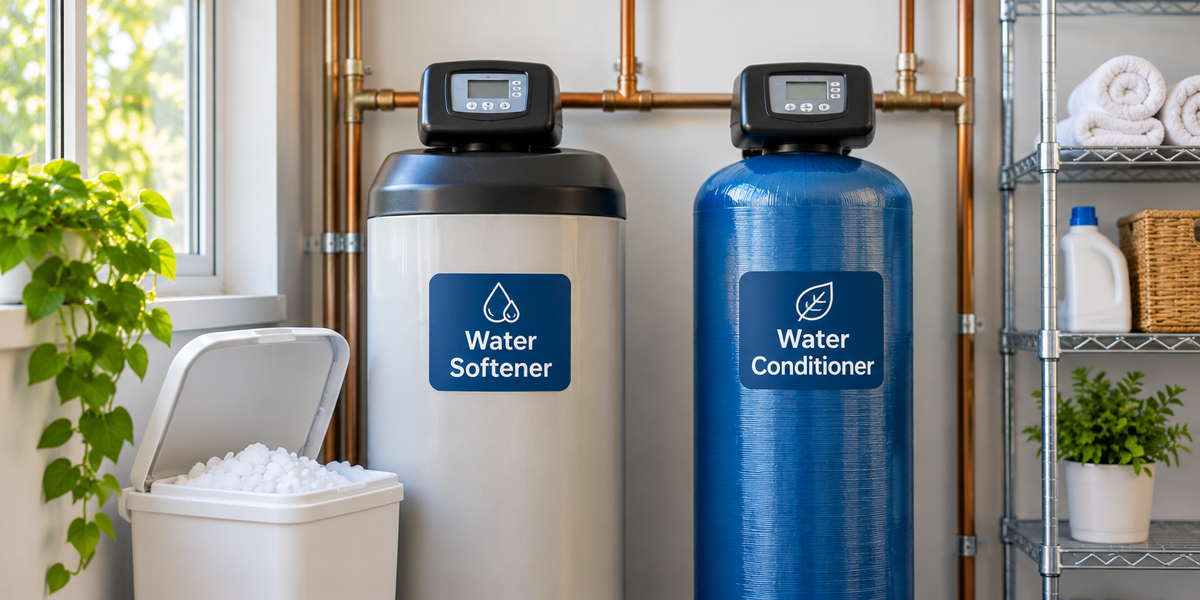
Whole-house filtration systems use a series of filters to remove sediment, chlorine, and other contaminants from the water supply. The concerns addressed depend on the treatment equipment selected. Whole-house filtration may target issues such as sediment and chlorine, while hard water, iron, manganese, or sulfur-related concerns may require different or additional treatment equipment. RainSoft lists water softeners and specialty treatment systems separately from whole-house filtration.
Where is Whole-House Filtration Installed?
These systems are installed at the point where water enters your home, ensuring that all water used for drinking, bathing, and cleaning is treated. This comprehensive approach is particularly beneficial in areas with concerns affecting multiple fixtures.
Comparing Reverse Osmosis and Whole-House Filtration
Key Differences Between the Systems
- Installation Location: Reverse osmosis is installed at a single point, while whole-house filtration is installed at the water’s entry point into the home.
- Scope of Filtration: RO systems focus on drinking water, whereas whole-house systems treat all water entering the home.
- Types of Contaminants Removed: RO is effective for dissolved solids and specific chemicals, while whole-house systems address broader issues, including sediment and chlorine.
Which System is Right for You?
The choice between reverse osmosis vs. whole-house filtration depends on your specific water quality concerns and household needs. If you’re primarily concerned with drinking water quality, a reverse osmosis system may meet your needs. However, if your home experiences widespread issues such as hard water or high chlorine levels, a whole-house filtration system could be more appropriate.
Why Some Homeowners Choose Both Systems
While each system has its strengths, combining them can offer comprehensive water treatment. Some homeowners opt for a whole-house system to address general water quality and an RO system for drinking water purification. This dual approach can ensure that all water in the home is treated effectively, providing peace of mind and improved water quality.
Considering Local Water Quality: Jacksonville Example
In areas like Jacksonville, water quality varies by home and water source. It’s important to understand local water concerns when choosing a filtration system. The RO water system Jacksonville residents prefer may differ from those in other regions due to specific local water issues. Similarly, the whole-house water filtration Jacksonville homeowners choose will depend on regional water quality.
Choosing between reverse osmosis and whole-house filtration depends on your specific needs and water quality concerns. Both systems offer distinct advantages, and in some cases, combining them can provide the most comprehensive solution. For those in Jacksonville and similar areas, consulting with a local water treatment expert like Rainsoft A & B Marketing can provide valuable insights and help you make a decision based on your water needs.
By understanding the differences between reverse osmosis and whole-house filtration, you can make an informed decision that best suits your household’s water needs. Whether you’re looking to improve drinking water quality or address broader water issues throughout your home, both systems offer valuable solutions.
Trying to decide whether your home needs point-of-use RO, whole-house filtration, or both? Contact Rainsoft A & B Marketing to discuss reverse osmosis vs. whole-house filtration, RO water system Jacksonville options, whole-house water filtration Jacksonville solutions, and which treatment approach fits your household’s water concerns.