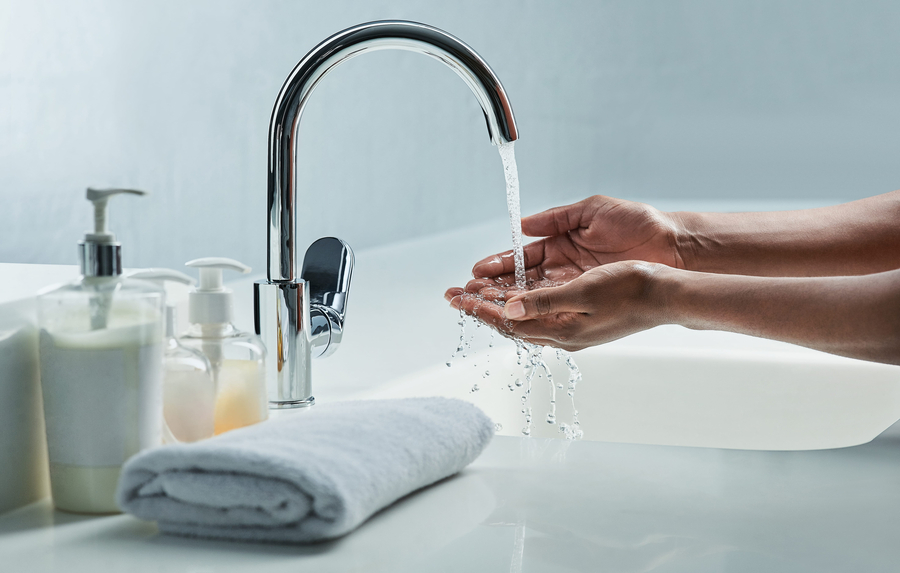
A rotten egg smell from your faucet can make daily water use unpleasant and may point to sulfur water or another water quality issue. In this blog, Rainsoft A & B Marketing explains why water smells like sulfur, how source identification works, and when professional water testing may help determine the right water filtration system or water treatment option.
Understanding the Rotten Egg Smell
The “rotten egg” smell in water is typically caused by the presence of hydrogen sulfide gas. This gas can be naturally present or result from various sources within your water system. It’s important to note that while the smell is unpleasant, hydrogen sulfide is usually not harmful at the low concentrations found in household water supplies. However, it can lead to a poor water quality experience and should be addressed early.
Potential Causes of Sulfur Water
There are several potential causes for why your water may smell like sulfur:
- Natural Occurrence: Hydrogen sulfide can naturally occur in groundwater, particularly in areas with high levels of organic material or sulfur-containing minerals.
- Bacteria in the Water Heater: Sulfate-reducing bacteria can thrive in warm environments, such as in water heaters, producing hydrogen sulfide gas as a byproduct.
- Corroded Pipes: Old or corroded plumbing can contribute to the presence of hydrogen sulfide in your water supply.
- Well Water Issues: If you rely on well water, the smell could be due to decomposing organic matter or the presence of certain bacteria in the well.
Identifying the Source of the Smell
Before choosing a solution, it’s important to identify the source of the sulfur smell in your water. This process often involves a combination of observation and professional water testing.
Steps to Identify the Source
- Check Multiple Faucets: If the smell is present at only one faucet, it may indicate a localized issue, such as a specific pipe or fixture.
- Test Hot and Cold Water: If the smell is stronger in hot water, the water heater might be the source of the problem.
- Inspect the Well: For those using well water, inspect the well system for any signs of contamination or problems.
- Conduct Professional Water Testing: Engaging a professional to test your water can provide definitive answers and help find the source of the odor.
Solutions for Sulfur Water
Once the source of the sulfur smell is found, you can take steps to address the issue. Here are some common solutions:
Water Filtration Systems
Installing a water filtration system can effectively remove hydrogen sulfide from your water supply. There are several types of filtration systems available:
- Activated Carbon Filters: These filters are effective at adsorbing hydrogen sulfide and other impurities, improving the taste and smell of your water.
- Aeration Systems: These systems introduce air into the water, causing hydrogen sulfide to oxidize and become less noticeable.
- Reverse Osmosis Systems: These systems can remove a wide range of contaminants, including hydrogen sulfide, from your water.
Water Heater Maintenance
If the sulfur smell is coming from your water heater, consider the following maintenance steps:
- Flush the Water Heater: Regularly flushing the water heater can help remove sediment and bacteria that contribute to the odor.
- Replace the Anode Rod: The anode rod in your water heater can corrode over time, leading to a sulfur smell. Replacing it can often resolve the issue.
Well Water Treatment
For those using well water, specific water treatment systems can address sulfur odors:
- Shock Chlorination: This process involves adding chlorine to the well water to kill bacteria and oxidize hydrogen sulfide.
- Install a Well Water Filtration System: A specialized filtration system can reduce sulfur and other contaminants specific to well water.
Professional Intervention
Sometimes, the best next step is to seek professional intervention. Companies like RainSoft A & B Marketing specialize in water testing and treatment solutions. Professional water testing can provide a detailed review of your water quality, ensuring that the correct treatment method is employed.
Benefits of Professional Water Testing
- Accurate Diagnosis: Professionals can accurately identify the presence and concentration of hydrogen sulfide and other contaminants.
- Customized Solutions: Based on test results, professionals can recommend tailored solutions that address your specific water quality issues.
- Peace of Mind: Knowing that your water has been tested and treated by experts provides confidence and confidence in your water supply.
Ensuring Quality Water
When your water smells like sulfur, it can be both unpleasant and concerning. However, by understanding the potential causes and implementing effective solutions, you can restore your water’s quality and enjoy a better water experience. Whether it’s through a water filtration system, regular maintenance, or professional intervention, there are several ways to address sulfur water issues.
If you’re struggling with persistent odors, consider reaching out to RainSoft A & B Marketing for expert guidance and support in improving your water quality.
Remember, ensuring the quality of your water is not just about comfort—it’s about health and peace of mind. Don’t hesitate to take action if you notice any changes in your water’s smell or taste.