Living in Florida has its perks, but it also comes with certain challenges, including dealing with hard water. For many homeowners in Jacksonville and nearby, hard water in Florida can lead to mineral buildup, dry skin and hair, cloudy dishes, plumbing scale, and appliance problems. In this blog, Rainsoft A & B Marketing explains the common signs of hard water and how water softeners and water conditioning systems can help protect the home.
What Causes Hard Water in Florida?
Hard water occurs when water contains high levels of dissolved minerals, particularly calcium and magnesium. In Florida, the natural limestone bedrock contributes to the mineral content in our water supply. As rainwater moves through the ground, it dissolves these minerals, resulting in hard water. This is why many homeowners in Jacksonville and across Northeast Florida experience issues related to hard water.
Signs Your Home Has Hard Water
Identifying hard water in your home is important to preventing potential damage and inconvenience. Here are some common signs to look out for:
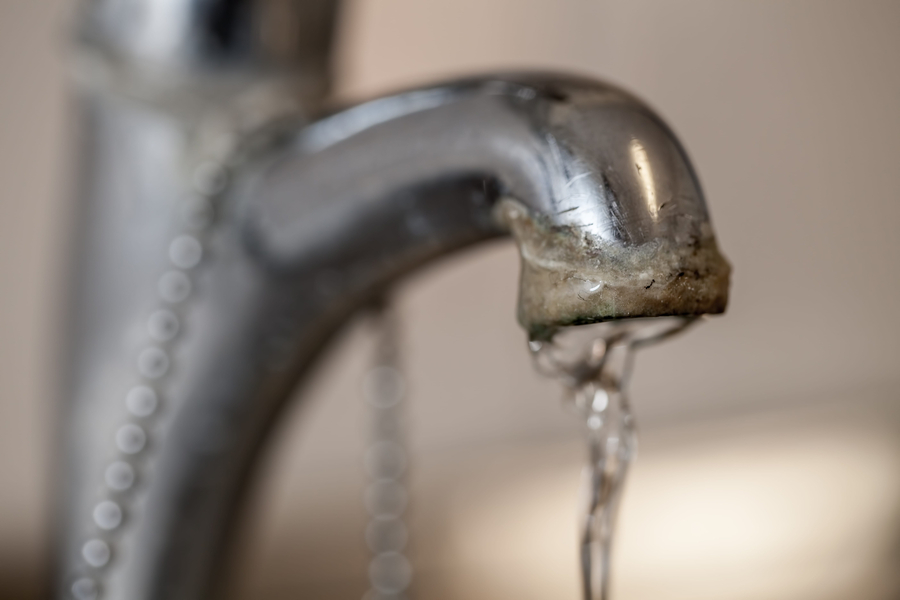
- Mineral Buildup: If you notice white, chalky deposits on faucets, showerheads, or around drains, this is a clear indication of mineral buildup from hard water.
- Dry Skin and Hair: Hard water can strip away natural oils, leading to dry, itchy skin and dull, lifeless hair.
- Cloudy Dishes and Glassware: If your dishes come out of the dishwasher looking spotty or cloudy, hard water may be the cause.
- Soap Scum: Hard water reacts with soap to form a buildup known as soap scum, which can be difficult to clean.
- Laundry Issues: Clothes washed in hard water may feel stiff and wear out more quickly due to mineral deposits embedded in the fabric.
How Hard Water Damages Plumbing & Appliances
The effects of hard water in Florida extend beyond aesthetic issues. Over time, the mineral buildup can cause serious damage to plumbing systems and appliances:
- Clogged Pipes: Mineral deposits can build up inside pipes, reducing water flow and increasing the risk of blockages.
- Water Heater Inefficiency: Hard water can lead to scale buildup in water heaters, making them less efficient and increasing energy costs.
- Appliance Wear and Tear: Dishwashers, washing machines, and other appliances that use water can wear out faster due to mineral buildup, leading to costly repairs or replacements.
Why Water Softeners Help
Installing a water softener can be a practical solution to hard water problems. A water softener works by exchanging the calcium and magnesium ions in the water with sodium ions, effectively “softening” the water. Here’s why a water softener can be helpful:
- Prolongs Appliance Life: By preventing scale buildup, water softeners help extend the lifespan of your appliances.
- Improves Plumbing Efficiency: Soft water reduces the risk of clogs and corrosion in your plumbing system.
- Enhances Cleaning: Soft water improves the effectiveness of soaps and detergents, leading to cleaner dishes, clothes, and surfaces.
- Better Skin and Hair Health: Soft water is gentler on skin and hair, reducing dryness and irritation.
For homeowners in Jacksonville and Northeast Florida, a water softener is an investment in your home’s longevity and your family’s comfort.
How Hard Water Affects Skin & Laundry
One of the more noticeable effects of hard water is on skin and laundry. The minerals in hard water can worsen skin conditions like eczema and make fabrics feel coarse and uncomfortable. When washing clothes, hard water prevents detergents from lathering properly, leaving behind a residue that can irritate sensitive skin. Moreover, towels and clothes may appear dingy and lose their softness over time.
Improving Skin Health
Switching to soft water can significantly improve skin health. Without the harsh minerals stripping away natural oils, your skin retains moisture more effectively, reducing dryness and irritation. If you notice persistent skin issues, it might be time to consider a water conditioning system.
Maintaining Laundry Quality
Soft water allows detergents to work more effectively, reducing the amount needed per wash and ensuring clothes come out cleaner and softer. If you’re dealing with hard water, consider using liquid detergents, as they tend to perform better in hard water conditions.
When Homeowners Should Schedule Water Testing
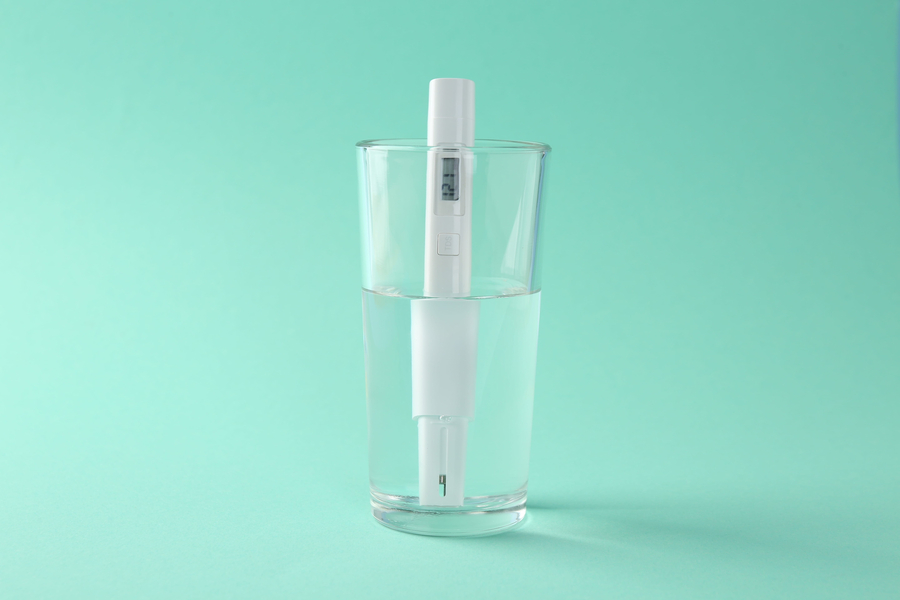
Regular water testing is essential to identifying and addressing hard water issues before they cause significant damage. Homeowners should consider scheduling a water test if they notice any of the signs mentioned above. At RainSoft A & B Marketing, we offer complete water testing services to help you understand your water quality and find the best solution for your home.
Frequently Asked Questions
What is the best way to test for hard water in my home?
The most accurate way to test for hard water is by scheduling a professional water test. This will provide detailed information about the mineral content in your water and help determine the best course of action.
Can hard water affect my water heater’s efficiency?
Yes, hard water can lead to scale buildup in your water heater, reducing its efficiency and increasing energy costs. Regular maintenance and installing a water softener can help reduce this issue.
Is a water softener the only solution for hard water?
While a water softener is the most common solution, other options are available, such as water conditioning systems. These systems can address specific water quality issues, including hard water.
Recognizing the signs of hard water and taking proactive steps can save you from costly repairs and improve your quality of life. For more information on how to combat hard water in your Florida home, contact us today and connect with our experts.